
What is DSE and Why Does It Matter?
If your team spends a significant amount of time working at a desk, on a laptop, or using screens daily, then DSE is something your business simply can’t afford to overlook.
But what exactly is DSE and why does it matter so much in today’s workplace?
What is DSE?
DSE stands for Display Screen Equipment.
This includes any device with a screen that employees use as part of their work, such as:
- Desktop computers
- Laptops
- Tablets
- Smartphones
In the UK, DSE is covered under the Health and Safety (Display Screen Equipment) Regulations, which require employers to ensure that workstations are safe, comfortable, and suitable for the user.
Who Does DSE Apply To?
DSE regulations apply to employees who use screens daily, for continuous periods of an hour or more.
This means the majority of office-based workers, and increasingly, hybrid and remote employees, fall under these requirements.
If your team regularly works at a screen, you have a responsibility to assess and reduce any risks associated with their workstation.
Why Does DSE Matter?
1. Protects Employee Health
Poor workstation setup can lead to a range of health issues, including:
- Back and neck pain
- Eye strain
- Repetitive strain injuries (RSI)
- Headaches and fatigue
DSE assessments help identify these risks early and ensure employees are working comfortably and safely.
2. Improves Productivity
When employees are uncomfortable, distracted, or experiencing pain, their productivity naturally drops.
A well-set-up workstation allows your team to focus on their work without unnecessary discomfort or interruption.
3. Reduces Absenteeism
Long-term issues caused by poor ergonomics can lead to increased sick days and time away from work.
By addressing problems early through DSE assessments, businesses can reduce the risk of absence and support long-term employee wellbeing.
4. Ensures Legal Compliance
Employers in the UK have a legal duty to protect their employees when using display screen equipment.
Failing to carry out proper assessments or provide suitable equipment could result in non-compliance with health and safety regulations.
What Does a DSE Assessment Involve?
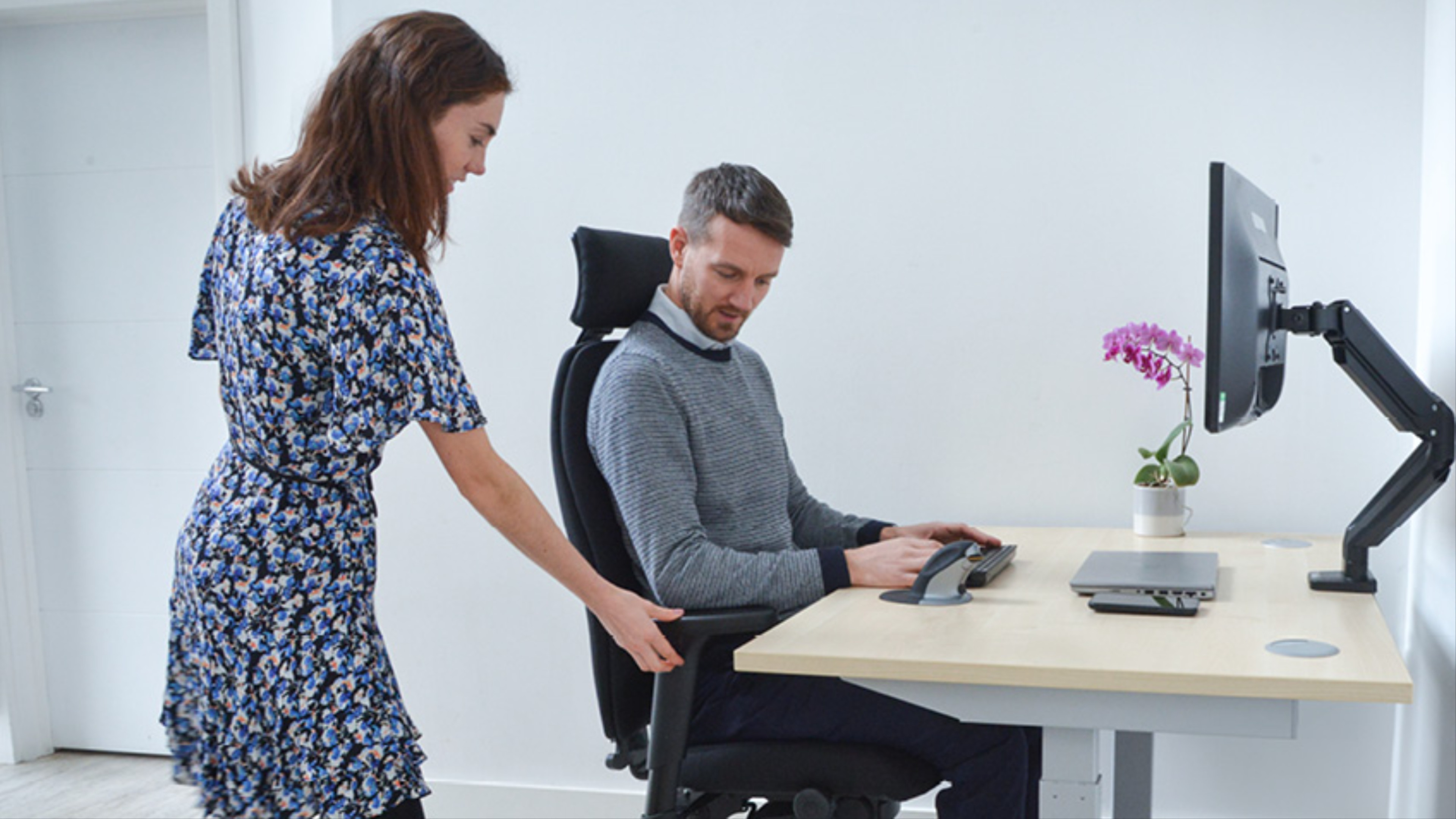
A DSE assessment looks at how an employee’s workstation is set up and identifies any risks or improvements needed.
This typically includes:
- Chair height and support
- Desk setup and positioning
- Screen height and distance
- Keyboard and mouse placement
- Posture and working habits
Small adjustments, such as raising a monitor, adjusting chair height, or adding ergonomic accessories, can make a significant difference.
How Weaver & Bomfords Can Help
At Weaver & Bomfords, we support businesses with practical, straightforward DSE assessments that help improve comfort, productivity, and compliance.
We work closely with your team to identify any issues and recommend simple, effective solutions, whether that’s adjusting existing setups or introducing ergonomic furniture where needed.
Whether you’re supporting a small team or a growing workforce, getting DSE right is a key step towards creating a healthier, more productive workplace.
Final Thoughts
DSE isn’t just a box-ticking exercise, it’s about creating a workspace where your team can perform at their best.
By taking the time to assess and improve workstation setups, you’re investing in your people, your productivity, and your business as a whole.
03456 123858 | ✉️ hello@weaverbomfords.co.uk
Products Selected
