0 BASKET
products in your basketto quote Checkout
Ooops no items were found.
Try something else.
Ok
Loading…

Open Plan vs Zoned Offices: What Works in 2026?

2 min

Open Plan vs Zoned Offices: What Works in 2026?

The workplace has changed dramatically over the past few years, and so has the way we think about office design.

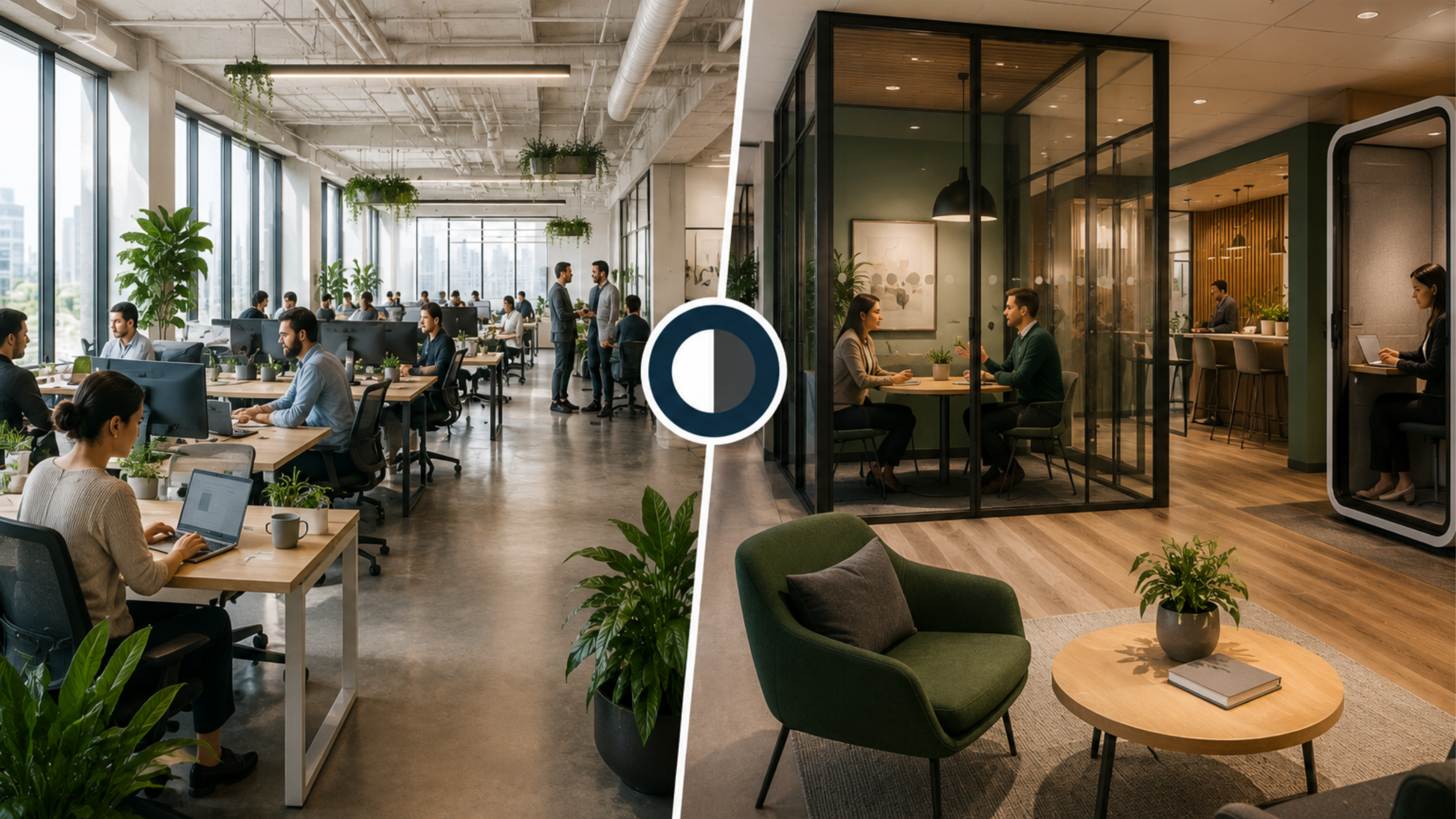
While open-plan offices were once considered the future of work, many businesses are now moving towards zoned workplaces that offer greater flexibility.

So which approach is best?

The Benefits of Open-Plan Offices

Open-plan layouts encourage communication and make it easier for teams to collaborate.

Benefits include:

  • Improved teamwork
  • Better visibility across departments
  • Greater flexibility
  • Efficient use of space

However, they aren't without their challenges.

The Downsides

Without dedicated quiet areas, open offices can become noisy and distracting.

Employees may struggle with:

  • Concentration
  • Confidential conversations
  • Video meetings
  • Phone calls
  • Individual focus work

For many businesses, productivity suffers when everyone works in the same environment all day.

What Are Zoned Offices?

Rather than choosing one layout, zoned offices create different spaces for different activities.

Typical zones include:

  • Focus work areas
  • Collaborative workspaces
  • Meeting rooms
  • Breakout spaces
  • Quiet booths
  • Social areas

Employees can choose the environment best suited to the task they're completing.

Why Zoned Offices Are Growing in Popularity

Modern work isn't one-dimensional.

An employee might spend the morning collaborating with colleagues, the afternoon concentrating on reports and later join several online meetings.

Providing different environments throughout the office supports these changing needs.

Which Is Right for Your Business?

For most organisations in 2026, the answer isn't open-plan or zoned, it's both.

A carefully designed office combines the openness needed for collaboration with quieter spaces for focused work.

The result is a workplace that's more productive, more adaptable and more attractive to employees.

Final Thoughts

Successful office design isn't about following trends, it's about creating spaces that help people do their best work.

By combining collaborative areas with quieter zones, businesses can build workplaces that support productivity, wellbeing and future growth.

03456 123858 | ✉️ hello@weaverbomfords.co.uk

Products Selected

Products Selected

Open Plan vs Zoned Offices: What Works in 2026?

2 min

Open Plan vs Zoned Offices: What Works in 2026?

The workplace has changed dramatically over the past few years, and so has the way we think about office design.

While open-plan offices were once considered the future of work, many businesses are now moving towards zoned workplaces that offer greater flexibility.

So which approach is best?

The Benefits of Open-Plan Offices

Open-plan layouts encourage communication and make it easier for teams to collaborate.

Benefits include:

  • Improved teamwork
  • Better visibility across departments
  • Greater flexibility
  • Efficient use of space

However, they aren't without their challenges.

The Downsides

Without dedicated quiet areas, open offices can become noisy and distracting.

Employees may struggle with:

  • Concentration
  • Confidential conversations
  • Video meetings
  • Phone calls
  • Individual focus work

For many businesses, productivity suffers when everyone works in the same environment all day.

What Are Zoned Offices?

Rather than choosing one layout, zoned offices create different spaces for different activities.

Typical zones include:

  • Focus work areas
  • Collaborative workspaces
  • Meeting rooms
  • Breakout spaces
  • Quiet booths
  • Social areas

Employees can choose the environment best suited to the task they're completing.

Why Zoned Offices Are Growing in Popularity

Modern work isn't one-dimensional.

An employee might spend the morning collaborating with colleagues, the afternoon concentrating on reports and later join several online meetings.

Providing different environments throughout the office supports these changing needs.

Which Is Right for Your Business?

For most organisations in 2026, the answer isn't open-plan or zoned, it's both.

A carefully designed office combines the openness needed for collaboration with quieter spaces for focused work.

The result is a workplace that's more productive, more adaptable and more attractive to employees.

Final Thoughts

Successful office design isn't about following trends, it's about creating spaces that help people do their best work.

By combining collaborative areas with quieter zones, businesses can build workplaces that support productivity, wellbeing and future growth.

03456 123858 | ✉️ hello@weaverbomfords.co.uk

SEARCH ×

Search