0 BASKET
products in your basketto quote Checkout
Ooops no items were found.
Try something else.
Ok
Loading…

Designing Classrooms for Different Learning Styles

2 min

Designing Classrooms for Different Learning Styles

No two students learn in exactly the same way. Some thrive in discussion, others need quiet focus, while some learn best through hands-on activities or visual stimulation.

Designing a classroom that supports different learning styles can improve engagement, behaviour and overall learning outcomes, all without requiring a complete refurbishment.

Understanding Different Learning Styles

While every student is unique, most learning preferences fall into a few broad categories:

  • Visual learners – benefit from diagrams, displays and written instructions
  • Auditory learners – respond well to discussion and verbal instruction
  • Kinesthetic learners – learn best through movement and hands-on activities
  • Independent learners – prefer quiet, focused work
  • Collaborative learners – thrive in group settings

A well-designed classroom considers all of these, not just one.

Create Zones for Different Activities

Rather than rows of identical desks, modern classrooms benefit from clearly defined zones.

For example:

  • A quiet area for focused work
  • A group space for collaboration
  • A reading corner for independent learning
  • A practical area for hands-on activities

This gives students the flexibility to work in a way that suits the task, and their learning style.

Use Flexible Furniture

Furniture plays a key role in how a classroom functions.

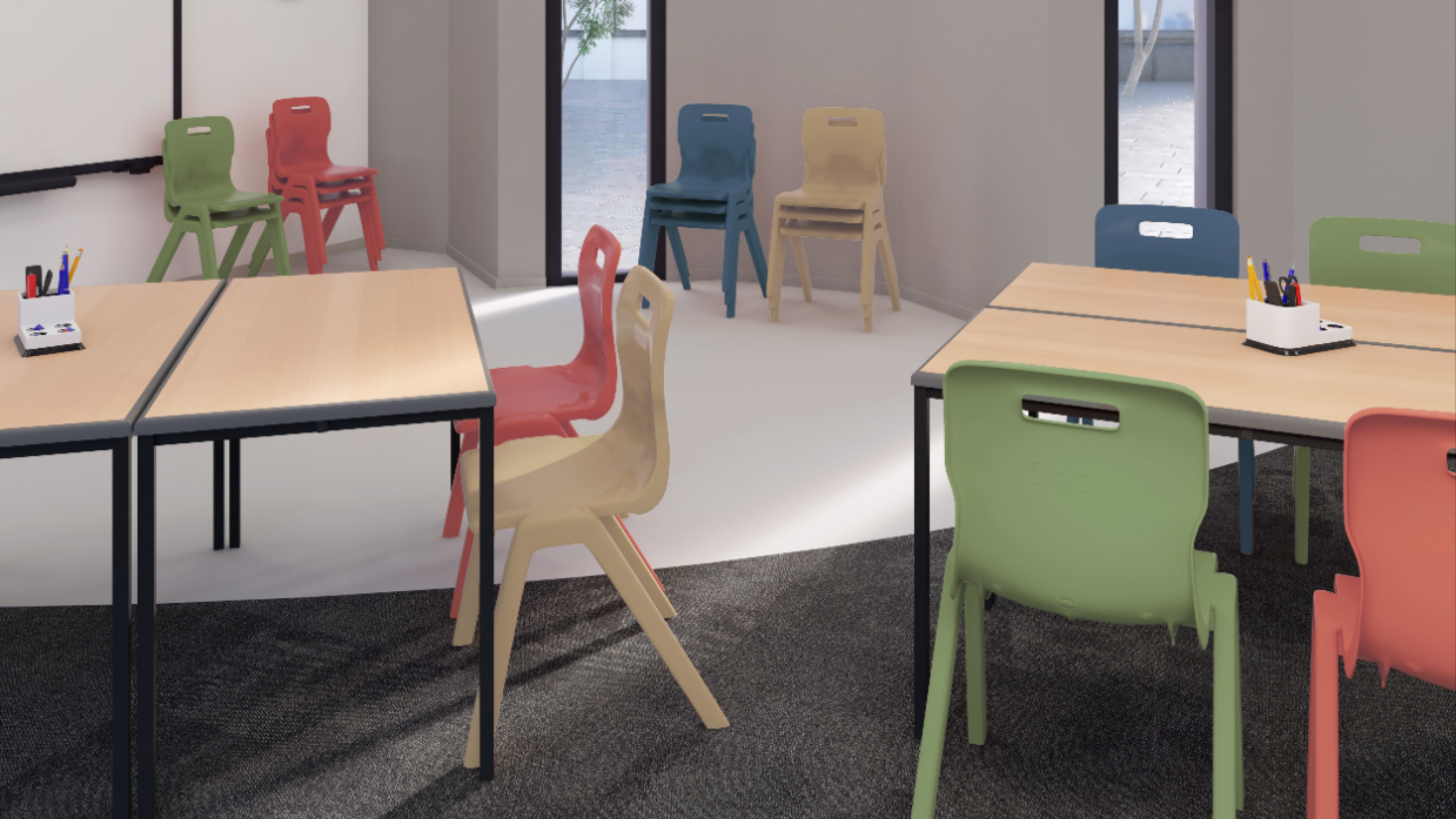
Lightweight, movable desks and chairs allow teachers to quickly reconfigure the space for different activities, from group work to individual study.

Flexible furniture supports:

  • Changing lesson styles
  • Different group sizes
  • More dynamic teaching approaches

Support Movement and Interaction

Not all students learn best sitting still.

Incorporating opportunities for movement, such as standing desks, open floor space or activity stations, can help improve focus and engagement, particularly for younger learners.

Make the Most of Visual Elements

For visual learners, the classroom environment itself can be a powerful tool.

Consider:

  • Clear, well-organised wall displays
  • Whiteboards and interactive screens
  • Colour-coded storage and resources

However, balance is important, too much visual clutter can be distracting.

Provide Comfortable, Supportive Seating

Comfort plays a big role in concentration.

A mix of seating options, including standard chairs, soft seating and breakout furniture, allows students to choose what works best for them, while supporting posture and wellbeing.

Keep Organisation Simple

An organised classroom helps reduce distractions and supports independent learning.

Clearly labelled storage, accessible resources and clutter-free surfaces make it easier for students to stay focused and take ownership of their environment.

Final Thoughts

Designing for different learning styles doesn’t require a complete overhaul, often, small changes to layout, furniture and organisation can make a significant difference.

By creating a flexible, inclusive environment, schools can support every student more effectively and create classrooms that are engaging, practical and ready for modern learning.

At Weaver & Bomfords, we work with schools to design and supply classroom environments that support a wide range of learning styles, helping teachers teach more effectively and students learn more comfortably.

Get in touch here.

03456 123858 | ✉️ hello@weaverbomfords.co.uk

Products Selected
2 products found
Sort by
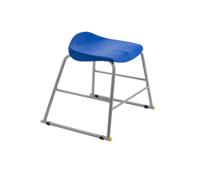
Titan Stool Size 3 Grey Frame Blue
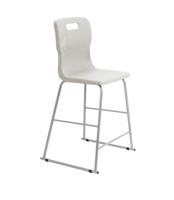
Titan High Chair Size 5 Grey
Total 2 products

Products Selected

2 products found
Sort by
Titan Stool Size 3 Grey Frame Blue
Titan High Chair Size 5 Grey
Total 2 products

Designing Classrooms for Different Learning Styles

2 min

Designing Classrooms for Different Learning Styles

No two students learn in exactly the same way. Some thrive in discussion, others need quiet focus, while some learn best through hands-on activities or visual stimulation.

Designing a classroom that supports different learning styles can improve engagement, behaviour and overall learning outcomes, all without requiring a complete refurbishment.

Understanding Different Learning Styles

While every student is unique, most learning preferences fall into a few broad categories:

  • Visual learners – benefit from diagrams, displays and written instructions
  • Auditory learners – respond well to discussion and verbal instruction
  • Kinesthetic learners – learn best through movement and hands-on activities
  • Independent learners – prefer quiet, focused work
  • Collaborative learners – thrive in group settings

A well-designed classroom considers all of these, not just one.

Create Zones for Different Activities

Rather than rows of identical desks, modern classrooms benefit from clearly defined zones.

For example:

  • A quiet area for focused work
  • A group space for collaboration
  • A reading corner for independent learning
  • A practical area for hands-on activities

This gives students the flexibility to work in a way that suits the task, and their learning style.

Use Flexible Furniture

Furniture plays a key role in how a classroom functions.

Lightweight, movable desks and chairs allow teachers to quickly reconfigure the space for different activities, from group work to individual study.

Flexible furniture supports:

  • Changing lesson styles
  • Different group sizes
  • More dynamic teaching approaches

Support Movement and Interaction

Not all students learn best sitting still.

Incorporating opportunities for movement, such as standing desks, open floor space or activity stations, can help improve focus and engagement, particularly for younger learners.

Make the Most of Visual Elements

For visual learners, the classroom environment itself can be a powerful tool.

Consider:

  • Clear, well-organised wall displays
  • Whiteboards and interactive screens
  • Colour-coded storage and resources

However, balance is important, too much visual clutter can be distracting.

Provide Comfortable, Supportive Seating

Comfort plays a big role in concentration.

A mix of seating options, including standard chairs, soft seating and breakout furniture, allows students to choose what works best for them, while supporting posture and wellbeing.

Keep Organisation Simple

An organised classroom helps reduce distractions and supports independent learning.

Clearly labelled storage, accessible resources and clutter-free surfaces make it easier for students to stay focused and take ownership of their environment.

Final Thoughts

Designing for different learning styles doesn’t require a complete overhaul, often, small changes to layout, furniture and organisation can make a significant difference.

By creating a flexible, inclusive environment, schools can support every student more effectively and create classrooms that are engaging, practical and ready for modern learning.

At Weaver & Bomfords, we work with schools to design and supply classroom environments that support a wide range of learning styles, helping teachers teach more effectively and students learn more comfortably.

Get in touch here.

03456 123858 | ✉️ hello@weaverbomfords.co.uk

SEARCH ×

Search